Can I Train as an Electrician While Working Full-Time? A Flexible Route That Fits Around You
If you’re working full-time and thinking about becoming an electrician, it’s completely normal to wonder:
“How would I actually make this work?”
The good news is—you can. And not only that, but there’s a way to do it that’s designed specifically around people like you.
This isn’t about forcing you into a rigid schedule.
It’s about building training that fits around your life, your commitments, and your pace.
Training Designed Around a Full-Time Job
We know that weekdays are busy. Work, family, life—it all adds up.
That’s why our structure is built to give you flexibility without sacrificing quality.
What this looks like:
Weekend practical sessions in our training centre
Weekend online classes with your tutors
Flexible booking system for your in-centre training
Time during the week to reflect, revise, and prepare
This approach gives you something really valuable:
👉 Space to actually understand what you’re learning
Instead of cramming everything into evenings after work, you:
Learn at the weekend
Take the week to process it
Come back more confident the following weekend
Flexible Weekend Booking (Built Around Real Life)
We also understand that life doesn’t run on a perfect schedule.
So instead of locking you into fixed dates:
✔ You can book the weekends that work for you
✔ If you miss a session, you can pick it up the next time it runs
✔ Family commitments don’t set you back
For example:
If you can’t attend one weekend due to family plans, we’ll simply slot you into the next available session covering that topic.
👉 It’s designed to work with you—not against you.
Where Do You Start? The Level 2 Qualification
Your journey into the electrical industry typically starts with Level 2.
This is your foundation—the place where everything begins to make sense.
What You’ll Learn on Level 2
Practical Training (Hands-On, In-Centre)
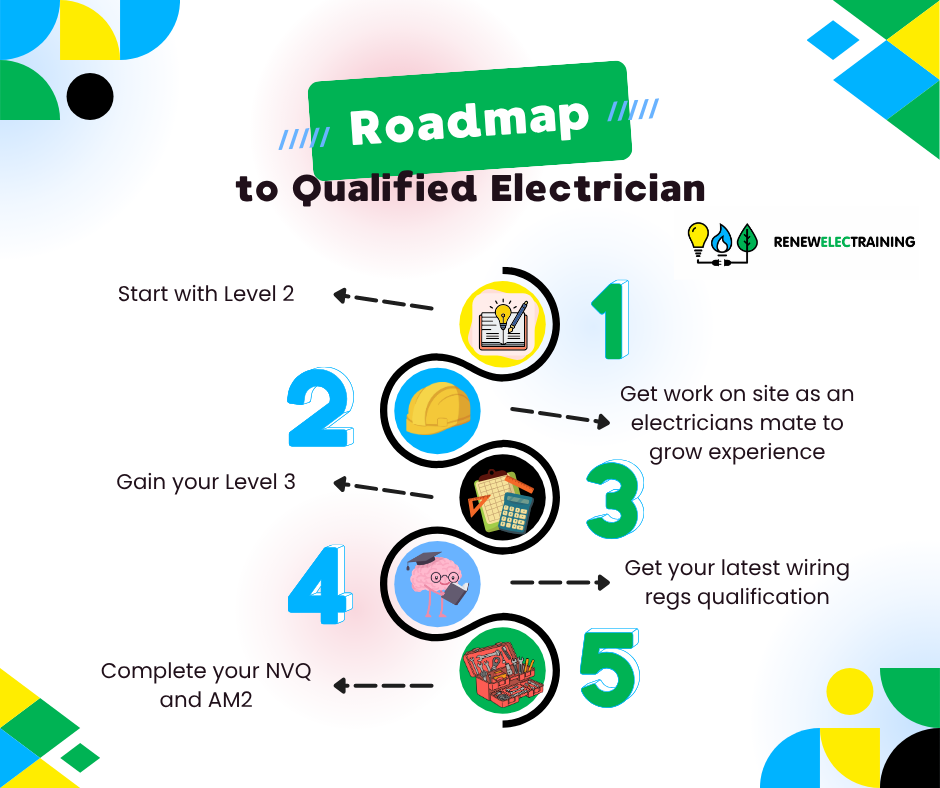
If you are looking to change career to become an electrician you don’t have to rush, be a little bit wary of anyone who tells you there is a quick path to qualified.
Your weekend practical sessions will cover:
Wiring circuits
Installing sockets and lighting
Containment systems (trunking, conduit)
Safe isolation
Real-world installation methods
This is where confidence starts to build—especially if you’re new to tools.
Weekend Online Classes (With Alex & Sam)
Alongside your practical work, you’ll join live online classes at the weekend.
These sessions focus on:
Electrical science
Installation technology
Core theory (explained simply)
What makes them different:
Relaxed, supportive teaching
Breaking down complex topics into manageable steps
Mock questions built into sessions
Plenty of time to ask questions
Learning That Continues Through the Week
During the week, you’re not expected to sit in long classes after work.
Instead, you:
Reflect on what you’ve learned
Revisit materials
Practice questions at your own pace
This rhythm helps you retain knowledge properly, rather than just rushing through it.
“I’m Not Academic—Will I Struggle?”
A lot of people worry about this—especially if:
School wasn’t a great experience
Maths felt difficult
English isn’t your strong point
Here’s the reality:
Maths in electrical work is different
It’s practical
It’s repetitive
It’s taught step by step
It can be applied to real life electrical situations
English doesn’t have to be perfect
We focus on understanding, not perfection
You can explain things in your own words
Confidence builds over time
And most importantly:
👉 You’re supported throughout—you’re not expected to figure it out alone
Progressing After Level 2: Your Career Path
Once you’ve completed Level 2, you’ve opened the door to the industry.
At this stage, it’s highly recommended to start gaining real-world experience.
Work Opportunities After Level 2
You can begin working as:
Electrician’s mate
Electrical improver
This helps you:
Build hands-on skills
Gain site experience
Develop confidence
Make industry connections
Even part-time work or occasional placements can make a huge difference.
Your Next Steps in Training
After Level 2, your pathway typically looks like this:
City & Guilds 2391-52 Inspection and Testing (when you’re ready)
From there, you can also specialise in areas like:
Solar PV
Battery storage
Inspection & testing
👉 This is where your career really starts to take shape.
Building Confidence as an Adult Learner
Retraining can feel like a big step.
You might be thinking:
“Am I too late to start?”
“What if I can’t keep up?”
“What if I don’t get it?”
But what we see time and time again is this:
👉 Confidence doesn’t come before you start—it builds as you go
Many learners say things like:
“I didn’t think I could do this—but I can.”
“It finally makes sense.”
“I wish I’d started sooner.”
Final Thoughts: This Is Built for You
If you’re working full-time, this route isn’t just possible—it’s designed for you.
With:
✔ Weekend training (both practical and online)
✔ Flexible booking around your life
✔ Time to learn at the right pace
✔ Real support from experienced electricians
You can retrain without putting everything else on hold.
If you’ve been thinking about it for a while, this is your sign:
You don’t need the perfect time—you just need the right structure.