Understanding the Verband der Elektrotechnik (VDE) and Why It Matters to Electricians
In the world of electrical installation and maintenance, safety isn’t just a guideline — it’s a professional requirement. One of the foundations of safe electrical work in Europe (and recognised globally) is certification by the Verband der Elektrotechnik, Elektronik und Informationstechnik (VDE).
What Is the VDE?
The Verband der Elektrotechnik (VDE) is a German-based standards organisation responsible for developing and certifying electrical safety standards across electrical engineering, electronics, and information technologies. VDE standards are among the most respected in the world, focusing on protecting people, property, and systems by setting rigorous requirements for electrical tools, equipment, and installations.
VDE certification means that a tool or device has been independently tested and approved for use under specific safety standards — most notably for electrical insulation and protective design up to specific voltages (e.g., 100 V AC for hand tools). These standards protect you on the job and reassure your clients that the equipment you use meets the highest safety benchmarks.
Why Electricians Need VDE Certification (And VDE-Rated Tools)
Electricians are regularly exposed to live electrical circuits, high voltages, and hidden risks. Using poorly rated or uncertified tools can mean the difference between a safe job and a serious injury.
Here’s why VDE matters:
Verified Safety — Tools tested and certified by VDE offer reliable insulation and protection against electric shock.
Professional Compliance — Many contracts, employers, and safety regulators require work to be performed with VDE-approved tools.
Reduced Risk on Site — With VDE certification, the risk of tool failure or electrical hazard is significantly reduced.
Peace of Mind — From apprentices to experienced engineers, confidence in your equipment means better focus on doing the job right.
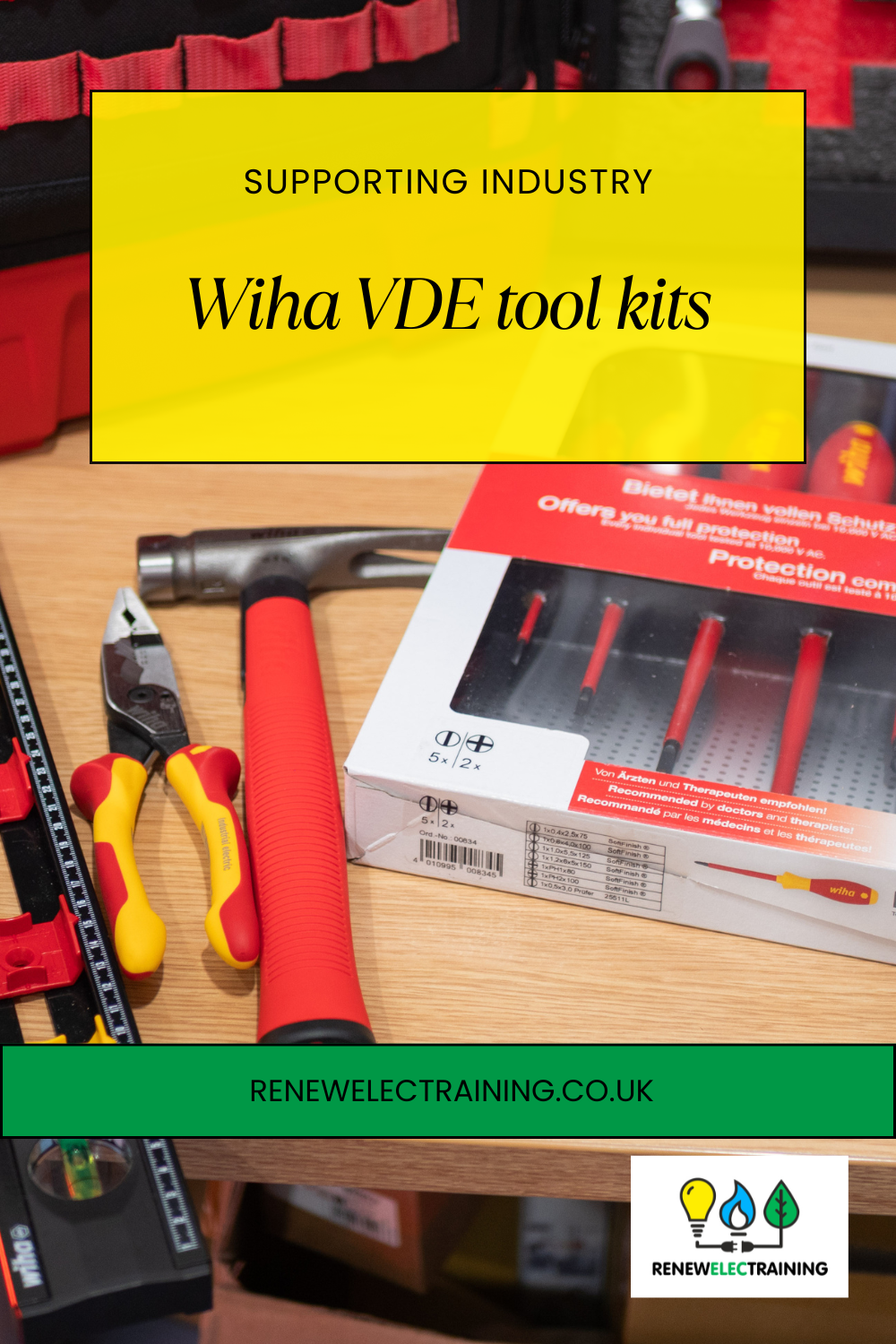
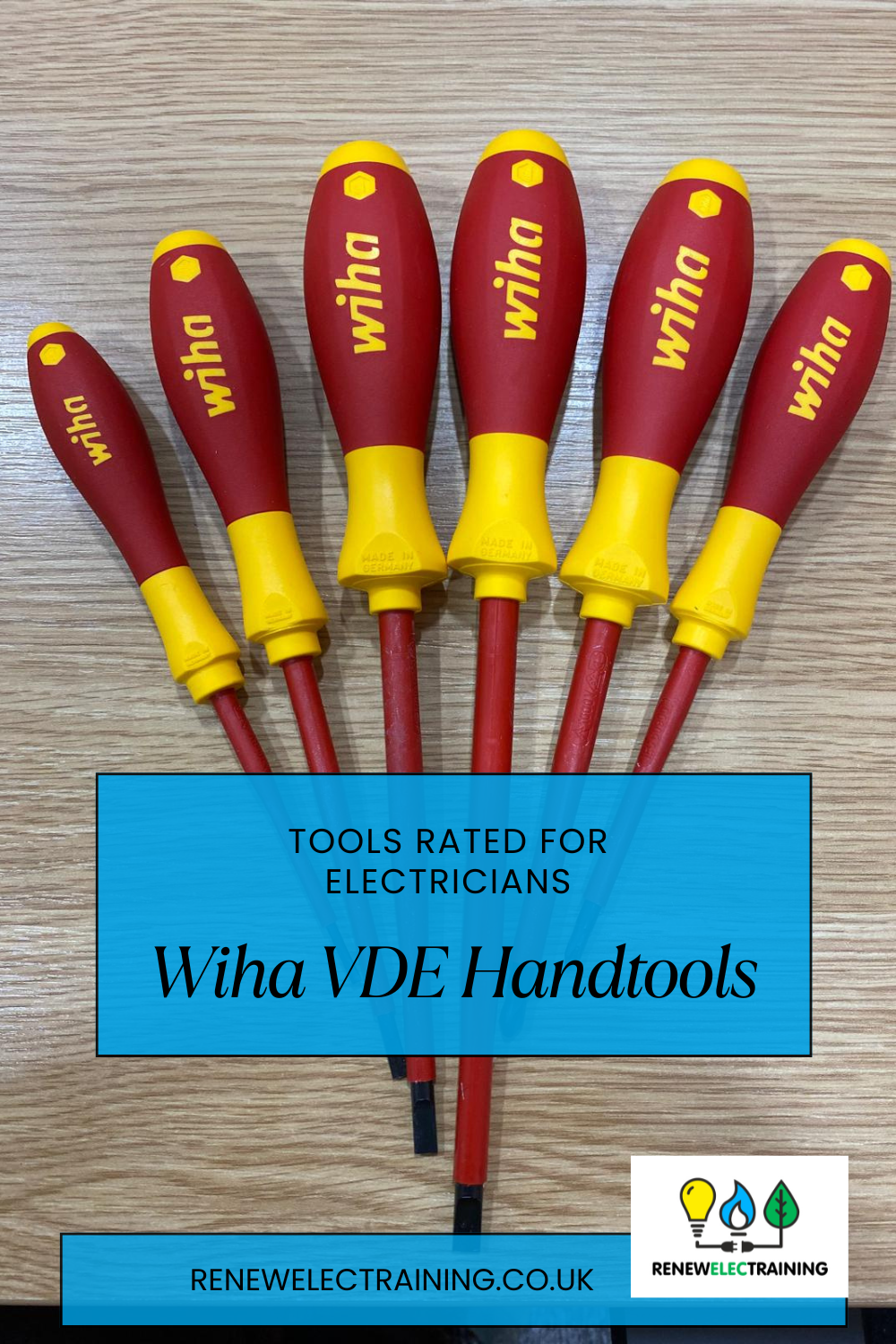
VDE tools donated by Wiha to Renew Elec Training Learners for Level 2 to get them on the tools safely as quickly as possible.
Wiha: Supporting Electricians with VDE-Certified Tools
We’re proud to showcase support from Wiha, a world-class hand tool manufacturer that produces high-quality VDE-certified tools. Their range is rigorously tested up to 100 V AC, ensuring reliability and safety on every job site.
Here’s a great resource from Wiha on all things VDE:
👉 https://wiha.com/knowledge/vde/
Some highlights you might find useful:
Tool design and testing criteria for VDE compliance
What “VDE-certified” means in practical terms
How VDE tools reduce electrical hazards
Understanding the Verband der Elektrotechnik (VDE) and Why It Matters to Electricians
Where You Learn to Use These Tools: Renew Elec Training Level Two Course
Understanding electrical theory is one thing — applying it safely and confidently is another. That’s why our Level Two Electrical Installation Course focuses on both practical installation skills and essential testing knowledge that reflect real-world conditions.
This course will help you:
Master installations in line with UK wiring regulations
Use and understand VDE-protected tools correctly
Gain confidence in routine and complex electrical tasks
Understand inspection and testing requirements
👉 Link to our Level Two course page here
Whether you’re starting your electrical journey or refreshing your hands-on confidence, this course is where safety meets skill.
Final Thoughts
Safety isn’t optional in electrical work — it’s professional, legal, and personal. Organisations like the VDE set global benchmarks for electrical safety, and tools certified to these standards help electricians protect themselves and the people they serve.
With partners like Wiha providing top-tier VDE-certified equipment, and with practical training through our Level Two course, you’ll be equipped to work safely, confidently, and professionally.